04/08/2025
And we still haven't got Tom Bombadil
– or, is the Extended Edition of “Lord of the Rings” actually better than the original one?
The Lord of the Rings-trilogy stands among those rare works in cinematic history that can be considered objectively good. Since the release of The Fellowship of the Ring in 2001, the films have enjoyed unwavering success and are recognized not only as some of the greatest film adaptations, but as some of the greatest films of all time. The excellent direction, breathtaking visuals, the exceptional performances, memorable characters and a screenplay rooted in deep respect for the source material have all played a part in this.
The extended editions were released on DVD one year after each movie, and enriched the theatrical versions with over three hours of extra content. This includes, for example, a scene filmed in the Green Dragon Inn in the Shire, flashbacks about Boromir’s life in Minas Tirith, or a glimpse into Faramir and Éowyn’s relationship, which was completely omitted from the original film. And although most of the fans agree that the extended edition is way better, there’s still a camp that holds the opinion that “those scenes were cut for a reason”, and the theatrical version offers a much more well-rounded story. So which side is right? Let’s take a deep dive into the topic.
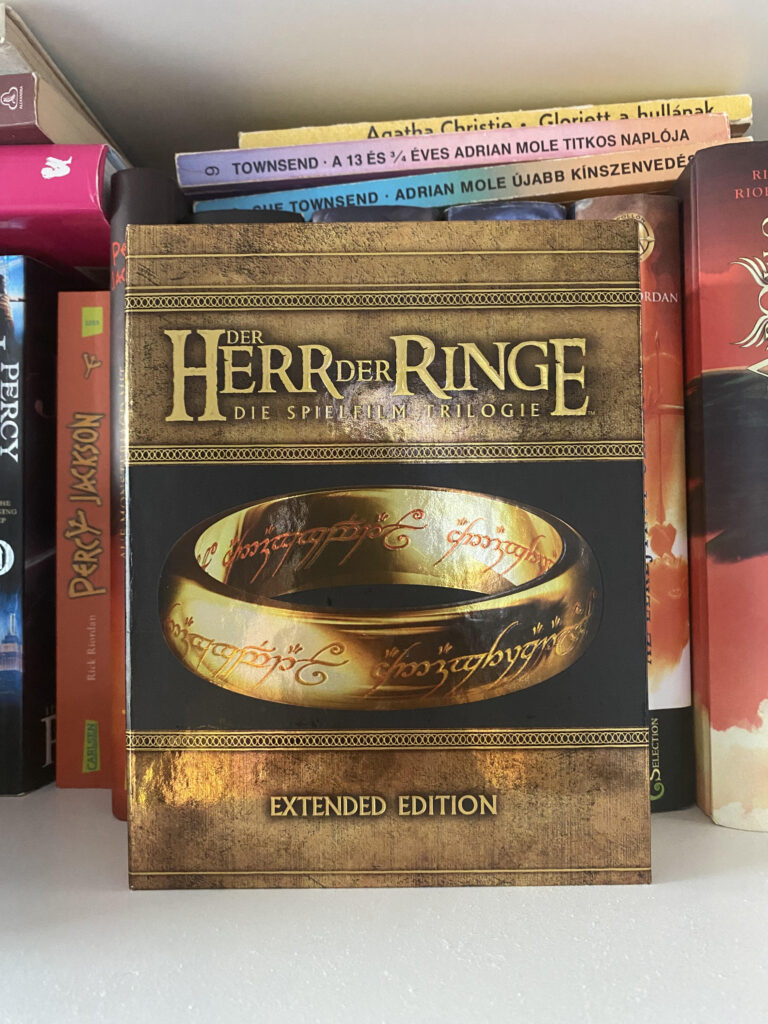
My German Blu-ray Extended Edition of The Lord of the Rings on my bookshelf
About the filming
Since its publication in 1954, J. R. R. Tolkien’s masterpiece was considered impossible to adapt for film. There was an attempt in 1978 in the form of an animated movie, but it proved forgettable. Most professionals held the opinion The Lord of the Rings is too complex, with too many characters, storylines and layers, so a movie adaptation would turn out boring, tedious and dragged-out. With such “reputation”, it might not sound surprising that when Peter Jackson decided to make a movie adaptation out of The Lord of the Rings, the studios weren’t eager to jump on the idea. What finally paved the way for the trilogy’s production under New Line Cinema was the studio head’s personal passion for the book.
The trilogy was filmed in New Zealand, and during the eighteen months the shooting took, the whole cast and crew lived on the island. What may seem completely impossible with today’s film industry is that all three movies were shot at the same time – and this was a huge risk for the studio to take, but in the end, this is what gave the trilogy its unique heartbeat. The behind-the-scenes stories and photos are legendary, and for fans, seeing that the actors behind their beloved heroes are close friends in real life is a truly wonderful feeling.
The filming took place simultaneously at several locations across New Zealand, which resulted in an astonishing amount of raw footage being shot each day. Peter Jackson once stated that while films usually produce around thirty minutes of material per day, The Lord of the Rings generated up to three hours daily. This is an unbelievably huge number of scenes, and only a portion of it ended up in the extended edition. Peter Jackson discussed with the cutters themselves which scenes could be included in the new version – and they had plenty to choose from.
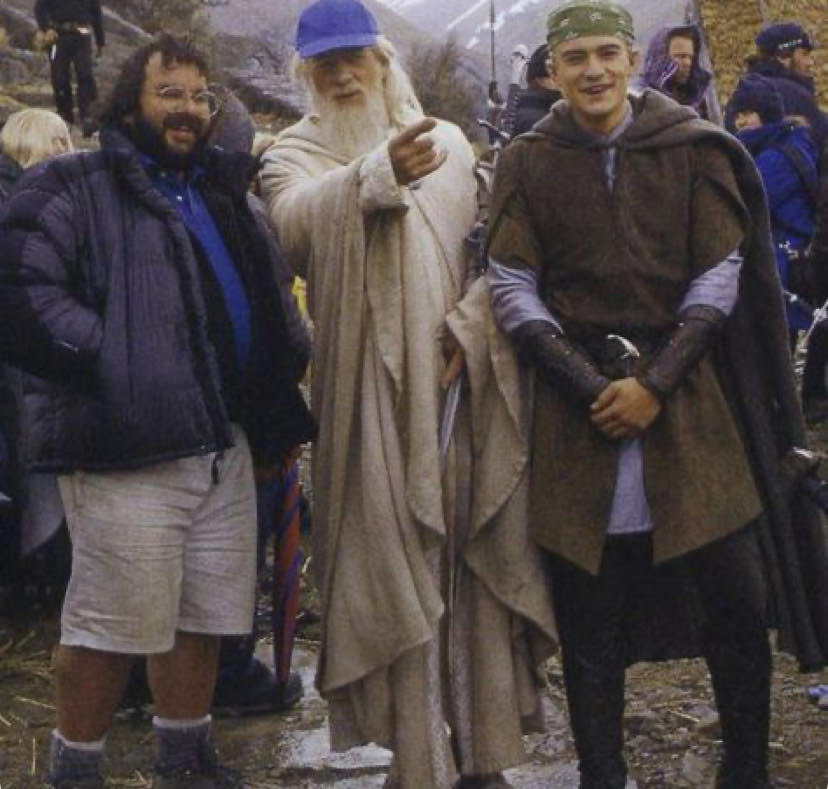
Behind-the-scenes photo from The Lord of the Rings (2001-2003) © New Line Cinema / Warner Bros.
What kind of extra content was included?
While some scenes just added to the “vibe”, some of them made me think I’m watching a completely new film. Here is a summary of the most memorable or narrative-changing extra scenes in each movie:
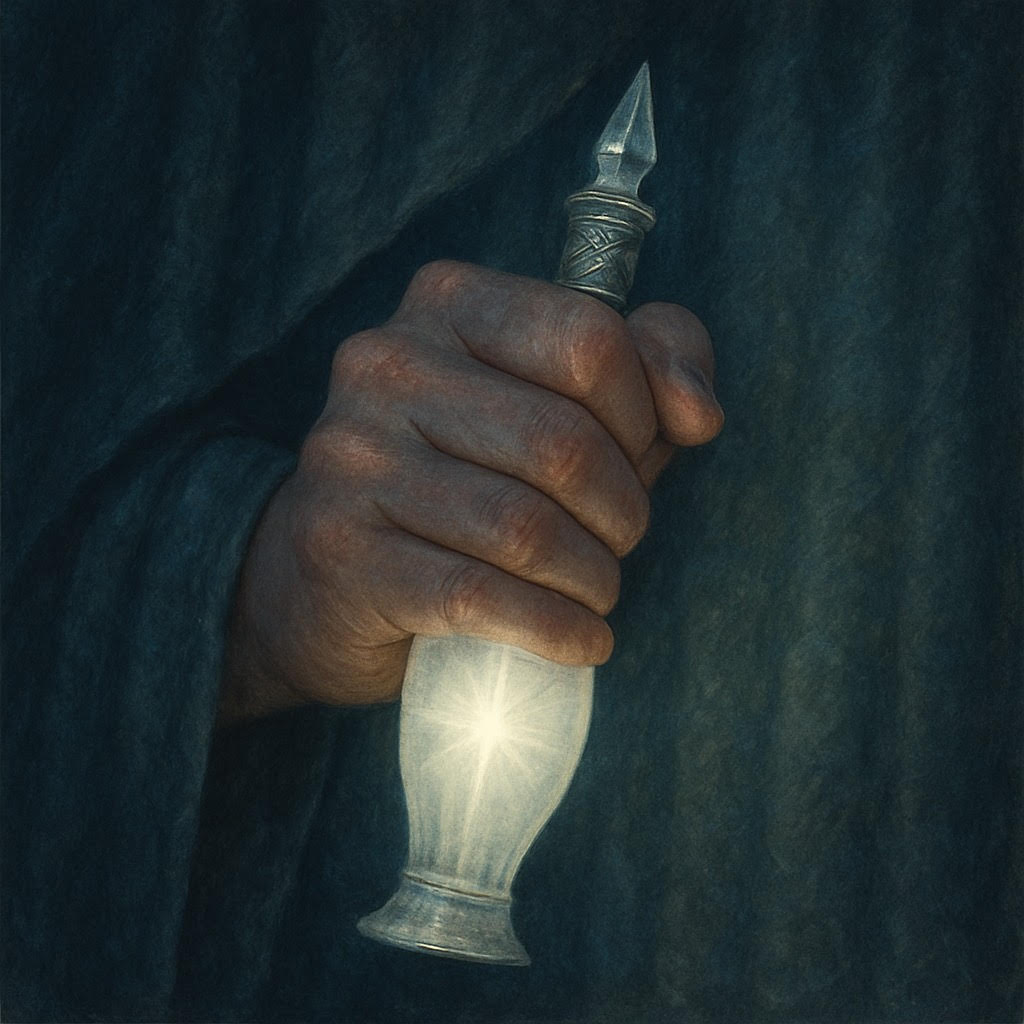
In The Fellowship of the Ring, between the iconic prologue where Galadriel tells the story of the Ring of Power and the shot with Frodo reading in the Shire, they added a scene about Bilbo writing his book in Bag End, muttering to himself about his upcoming departure. This is way, he’s the one who tells us the year the story takes place and that we are sixty years after his adventure. In Rivendell, there’s a short scene with Aragorn standing in front of his mother’s grave and Elrond speaking about the tragic story of his parents. The “Farewell to Lórien” part is way longer in the extended film – all the presents which were given to the Fellowship in the book were included, not only the Phial of Galadriel
In The Two Towers, we got an extra scene with Merry and Pippin in the orcs’ captivity, which highlights the almost brotherly bond between the two hobbits. Most of the important scenes with Saruman and Gríma’s duo were omitted from the original movies, but luckily in the extended edition we got a few of them – for example, the one after Théoden banishing Gríma where the two traitors discuss that Aragorn may be the heir of Isildur. We are also given insight into the funeral of Théoden’s son, Théodred, and Faramir’s character got more layers too.
In the original The Return of the King, one of the most annoying things to me is that it kinda seems like the cutters completely forgot about Saruman and Gríma, because the last time we see them they are arguing with each other on the balcony of Orthanc, and after that, their fate shrouded into mystery. In the extended version they included their death – not the one from the book, but this way, they still got a real ending. A scene about Aragorn looking into the palantír was added too, where the heir of Isildur finally accepts his fate as the King of Gondor.
Okay, but which one is better?
The critics and experts had a good reason to think that adapting The Lord of the Rings for film is an undertaking beyond human limits. Writing and publishing the book took Tolkien seventeen years; the plot is driven by a large cast of characters; and the worldbuilding – not to mention the mythology – is extremely elaborate. Peter Jackson and his team tackled a Herculean task when they decided to bring Middle-Earth to life on the screen. And adapting the story was not the only challenge they faced during the writing of the script, but they also had to make a film out of it. And these two things are not the same.
Many hardcore Tolkien-fans still haven’t gotten over some changes in the storyline (including my mother, by the way, who adores the movies, but can’t stand the end of The Fellowship of the Ring, because she wishes they cut the scene with Frodo and Aragorn discussing that the hobbit has to go on with his journey alone, and kept the book-version where he makes this decision on his own), but let’s be honest. If they had adapted the book word for word, line by line, it would’ve been way too boring. While the genre of a book allows for long landscape-descriptions and extended dialogues, a film has to be fast-paced and action-packed, and it can’t afford to bore the audience for even a single frame. And because of that, although you can’t imagine how much I wanted to see Tom Bombadil on screen, we need to understand that most characters, storylines just had to be left out or changed. And this wasn’t Peter Jackson’s assault on The Lord of the Rings, but simply a part of the adaptation process.
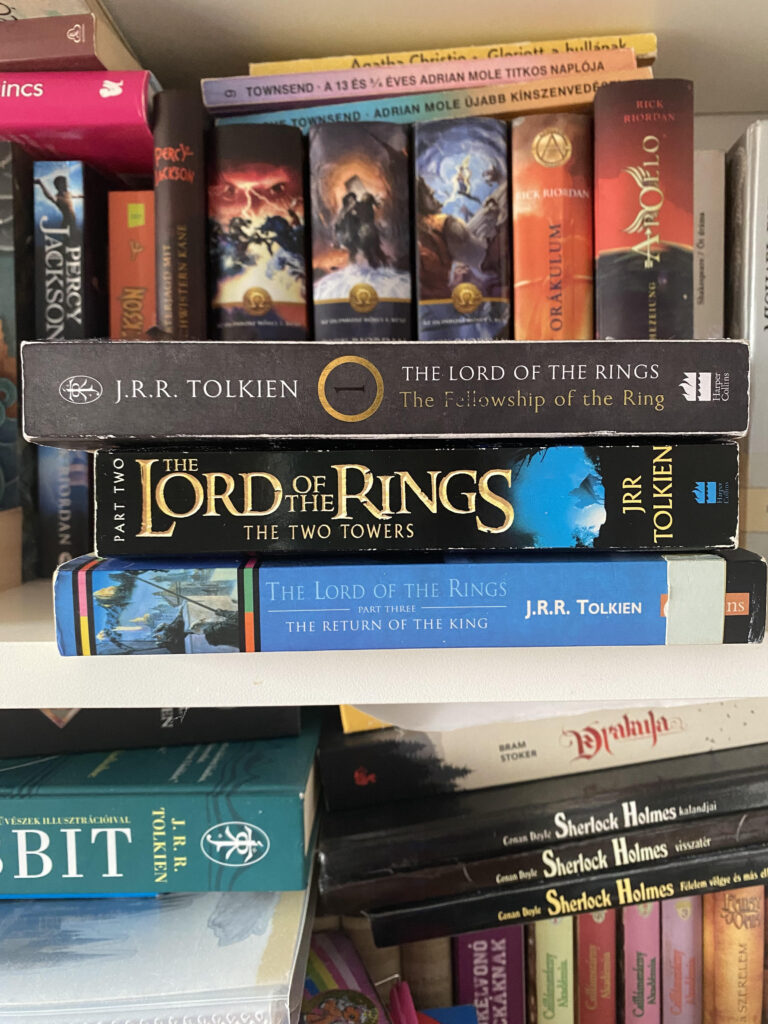
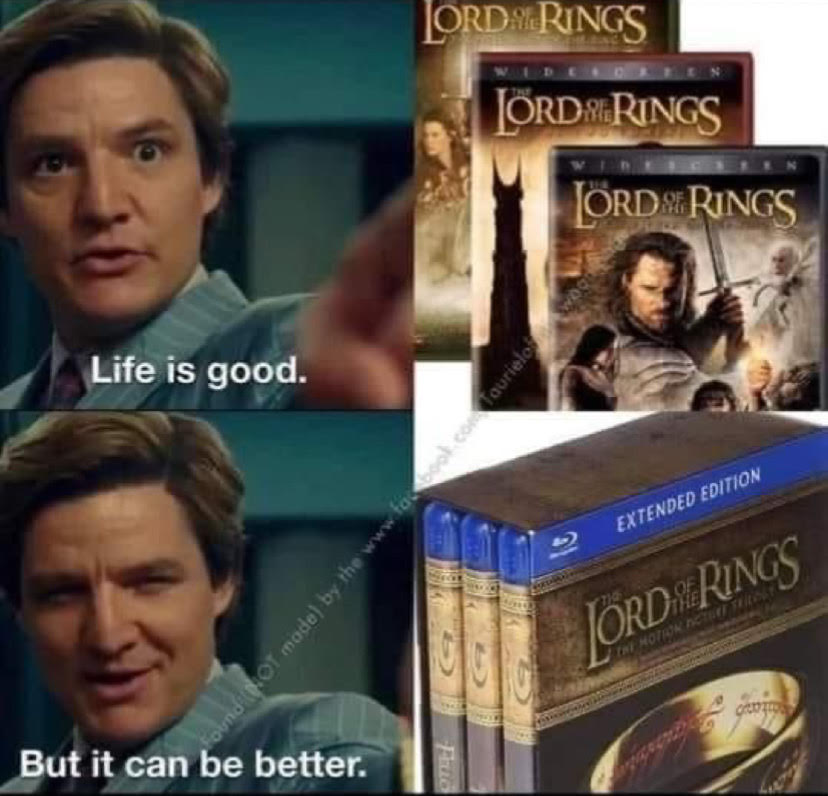
Okay, but why am I still talking about that? Because I can’t help but agree with those who say that the best adaptations are the theatrical versions. Every scene is measured out with surgical precision — each line of dialogue and every shot has its purpose. And while I do mourn the loss of a few cut parts, most of the character arcs were beautifully carried through. I think the only exceptions are Saruman and Gríma, who just disappeared from the storyline, and, of course, Faramir and Éowyn, who only got one shot together.
I’m not saying that the Extended Editions are bad or worse – in fact, I prefer them. They give us much more insight to the lore, the characters, and, in some cases, the mythology too. But although the book was already considered as a classic in 2001, most people who watched the films in the theaters for the first time haven’t read the books before. And for them, maybe some parts of the extended versions would have been felt boring and unengaging.
The Extended Edition was released for the fans – for those who already loved Tolkien’s work or fell in love with Middle-Earth because of the films, and wanted to know more about it.
Conclusion
We ask, which one is better? The original or the extended edition? But I think the real question is: why does one of them have to be better? If you are a die-hard fan of the book, or you’ve watched the original films tons of times already, I’m sure you’ll love the extended edition. But if this is your first appointment with the world of hobbits, elves, and magic rings, I suggest the theatrical versions.
…I was just kidding, if you haven’t read the book, please do it before you watch the films. You’ll thank me later.